



“The real value of a learning visit is not only what participants see, but how those lessons are translated into action at policy, district, and community levels.”
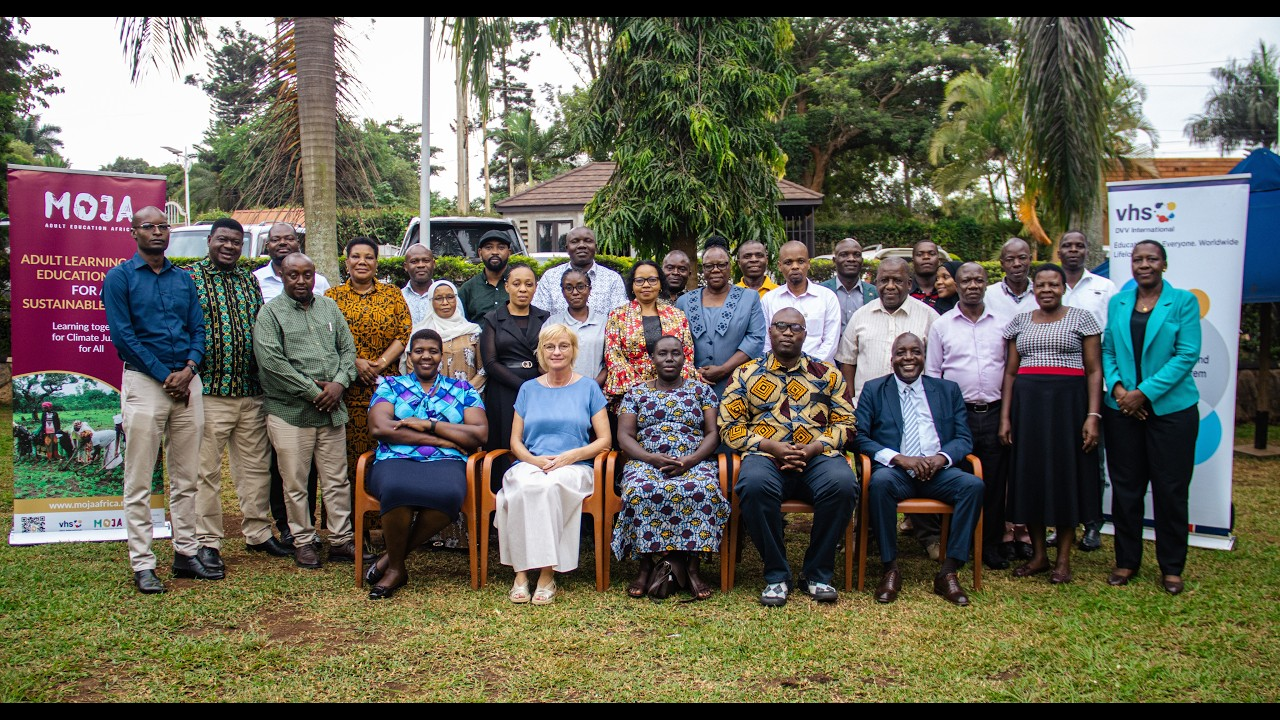
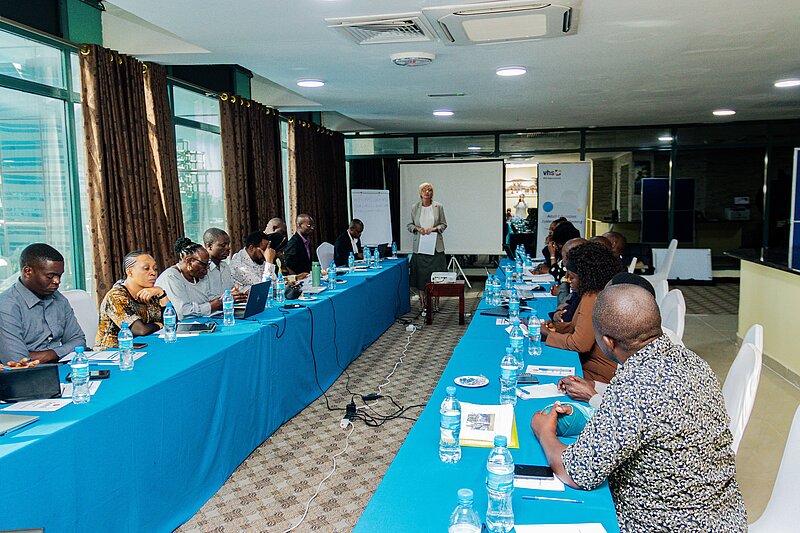
The Uganda Exchange Learning Visit Reflection Workshop marked an important step in turning cross-border learning into practical action for Tanzania’s Adult and Non-Formal Education (ANFE) sector. Held in Dar es Salaam, the two-day workshop brought together key actors from government, training institutions, local government authorities, Community Learning Centres (CLCs), and development partners to reflect on lessons from Uganda and identify strategies for strengthening ANFE implementation in Tanzania.
Rather than serving only as a feedback session, the workshop created a shared space for deeper reflection on what Tanzania can learn from Uganda’s experience in Community Learning Centre development and how those lessons can be adapted to local realities. It also provided an opportunity to review ongoing sector initiatives and agree on practical priorities for improving coordination, quality, sustainability, and learner progression across the ANFE system.
A central message emerging from the workshop was that adult learning becomes far more effective when it is closely linked to people’s daily lives. Participants reflected on Uganda’s experience of integrating literacy, vocational skills development, entrepreneurship, agricultural extension, and community development within Community Learning Centres. This approach was seen as especially relevant for Tanzania, where there is growing recognition that literacy programmes are more meaningful when combined with livelihoods, employability, and social inclusion.
Participants observed that Uganda’s model demonstrated several practical strengths: stronger institutional coordination, active community participation, clearer governance arrangements, regular monitoring, and income-generating activities that help sustain Community Learning Centre operations. The integration of competency-based training, learner assessment, certification, and linkages to economic opportunities stood out as one of the most valuable lessons from the exchange. For many participants, this showed that Community Learning Centres can become much more than sites for basic literacy instruction; they can function as dynamic hubs for community learning, skills development, and local transformation.
At the same time, the workshop provided an honest space to reflect on the Tanzanian context. Participants noted that many of the lessons observed in Uganda are relevant, but they will need to be adapted through coordinated institutional action rather than copied directly. Discussions highlighted the importance of strengthening governance systems, clarifying institutional roles, improving planning and reporting relationships, and ensuring that Community Learning Centres are more fully integrated into district development plans and budgets.
One issue that received considerable attention was sustainability. Despite continued investments in infrastructure, equipment, and programme development, many CLCs still face financial and operational challenges. Participants agreed that stronger support is needed for Community Learning Centre Management Committees, particularly in financial literacy, business management, and enterprise development, so that income-generating activities can contribute more effectively to sustainability. This point was linked to a broader call for stronger local government commitment, including dedicated support for CLCs within planning and budgeting processes.
The workshop also advanced important discussions on learner assessment and progression. Participants emphasized that adult learner dropout should not automatically be interpreted as programme failure. In adult learning contexts, some learners leave once they have acquired the knowledge or practical skills they need. As a result, there was strong agreement on the need to place greater emphasis on competency achievement, assessment, certification, and learner progression rather than relying only on attendance or completion rates. This reflection strengthened calls for Tanzania to continue investing in competency-based assessment systems informed by tools such as the LAMP Scale and lessons from vocational skills assessment.
Beyond reflections on the Uganda visit itself, the workshop also reviewed two important sector initiatives: the proposed Competence Framework for Adult Learning and Education practitioners and the draft CLC Pre-Vocational Skills Training Strategy. Participants welcomed both as timely and strategic. The competence framework was seen as an important step toward improving professionalism, clarifying practitioner roles, and strengthening the quality and consistency of service delivery. Meanwhile, the pre-vocational skills strategy was recognized as a useful framework for positioning CLCs as inclusive community-based training hubs that support employability, entrepreneurship, and self-reliance.
However, participants also proposed several improvements before finalization. They called for stronger emphasis on supportive supervision, monitoring and evaluation, digital literacy, stakeholder coordination, learner assessment, and responsiveness to community needs. They also underscored the importance of integrating vocational training with literacy programmes, aligning assessment and certification with national frameworks, and ensuring that training responds to local labour market realities.
One of the workshop’s strongest outcomes was the agreement on a consolidated Action Plan. This gave the reflection process a practical direction. Priority areas included strengthening CLC governance and supervision, integrating CLC priorities into district plans and budgets, improving the sustainability of income-generating activities, enhancing stakeholder coordination, strengthening learner assessment and certification pathways, and deepening the involvement of quality assurance structures in ANFE implementation.
The way forward is therefore both clear and demanding. Tanzania will need stronger institutional coordination, more deliberate integration of ANFE into local government systems, improved technical capacity in assessment and certification, and greater support for CLC sustainability. Just as importantly, stakeholders will need to maintain the momentum created by the workshop and ensure that the agreed action points are followed through using existing coordination, planning, monitoring, and reporting mechanisms.
The reflection workshop demonstrated that the Uganda learning visit was not an end in itself. Its true significance lies in how the lessons observed are translated into practical improvements in Tanzania. With a shared commitment from key institutions and partners, the workshop helped move the conversation beyond admiration of good practice and toward a more focused agenda for strengthening Community Learning Centres and Adult and Non-Formal Education nationwide.
In this sense, the workshop was a turning point: from observation to reflection, and from reflection to action.